
Meeting
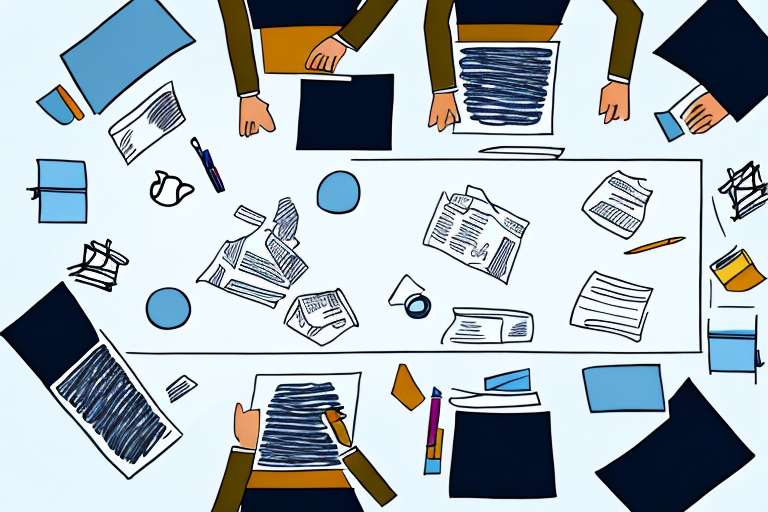
A meeting can be a source of stress and frustration for many people. A well-structured agenda, shared in advance, can make a real difference. But where do you start? And which items should always be on the agenda?
Before drawing up the agenda, it's important to first determine who should be present at the meeting. By only inviting people who genuinely contribute to decision-making, the meeting can run more efficiently. Ask all participants for input in advance via email or a tool like too-doo. Communicate the agenda well in advance, at least three days beforehand.
The first item on the agenda is the opening and welcome. Guests are received, the meeting is opened and the reason for the meeting is explained.
For recurring meetings, include a brief review of the previous meeting: which actions were completed, which are still open and whether follow-up is needed. Important: the purpose is not to discuss actions all over again.
A progress report gives everyone the opportunity to share results achieved. This typically consists of two parts: an overview of figures and an overview of activities via an action and project list.
This is the moment to discuss new topics submitted by team members.
Once all topics have been covered, it's time for any other business. Review the agreed actions and ask any additional questions. If a follow-up meeting is needed, set a new date immediately.
Close the meeting and thank participants for their attendance and contributions.
A well-structured agenda contributes to an efficient and productive meeting. too-doo helps you collect, structure and follow up on agenda items — for every meeting that counts.
Join 500+ teams staying aligned with too-doo
No credit card • 30 day free trial